





Slab leaks are a hidden plumbing issue that can quickly turn into a serious problem if not addressed promptly. They occur when water pipes running beneath your home’s concrete foundation develop cracks or leaks, allowing water to escape into the slab. Over time, these leaks can cause major structural damage, drive up your water bills, and create conditions for mold growth.
For homeowners in the Dallas area, the team at Legacy Plumbing has created this guide to help you understand what causes slab leaks, how to spot the warning signs, and the best repair options to keep your home safe and protected.
What Is a Slab Leak & Why Does It Happen?
A slab leak is a leak in the water pipes located beneath your home’s concrete foundation, or “slab.” Because these pipes are hidden under concrete, leaks can go unnoticed for weeks or even months, allowing water to slowly damage your flooring, walls, and foundation. Over time, this can lead to costly repairs and structural issues if not addressed promptly.
Slab leaks usually occur due to a combination of factors, such as:
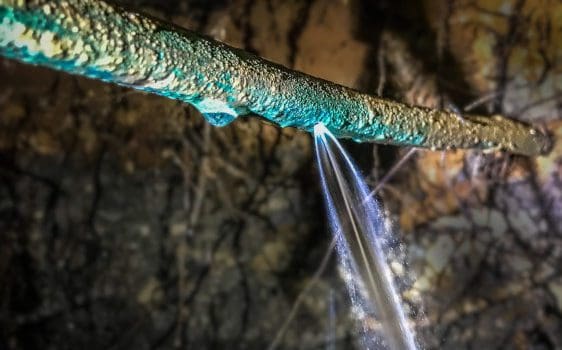
- Pipe corrosion: This occurs when water reacts with metal pipes, causing them to weaken and eventually leak. The minerals in hard water can accelerate this process.
- Shifting soil: Shifts in the soil beneath your home can put pressure on the foundation and plumbing system, causing pipes to crack or break.
- Poor installation: Improper installation or low-quality piping materials can result in weakened joints or connections, leading to leaks.
- High water pressure: Overly high water pressure can wear down your plumbing over time, creating vulnerabilities that result in leaks.
What Are the Risk Factors of Slab Leaks?
Certain conditions and characteristics of a home can increase the likelihood of developing a slab leak. Homes built with older plumbing materials, such as galvanized steel or early-generation copper, are more prone to corrosion over time, which weakens pipes and makes them more susceptible to leaks.
Soil composition beneath the foundation also plays a role. Expansive clay soils, which are common in the Dallas area, can shift with moisture changes, placing stress on buried pipes and increasing the risk of cracks.
Homes experiencing high water pressure or sudden pressure surges are also at greater risk, as the constant strain on pipes can cause small weaknesses to develop into full leaks.
Additionally, improper installation of plumbing lines or the use of substandard materials during construction can leave pipes vulnerable from the start. Understanding these risk factors can help homeowners stay vigilant and take preventive measures before a minor issue becomes a costly slab leak.
What Are the Most Common Signs of a Slab Leak?
Slab leaks often develop quietly, but there are several clear warning signs. If you spot any of these, it’s important to contact a professional plumber right away:
- Sudden spikes in your water bill
- Warm spots on the floor
- Damp or wet areas on carpets or flooring
- Unexplained mold or mildew growth
- Low water pressure throughout the house
- Sound of running water when no fixtures are in use
- Cracks in walls or flooring
How Are Slab Leaks Repaired
Once a slab leak is identified, repairing it requires specialized techniques to minimize damage to your home’s foundation. A plumbing team might use one of these methods:
- Direct access repair: This involves jackhammering through the concrete slab, digging down to the leaking pipe, and making the necessary repairs. It is the most direct method but also the most invasive.
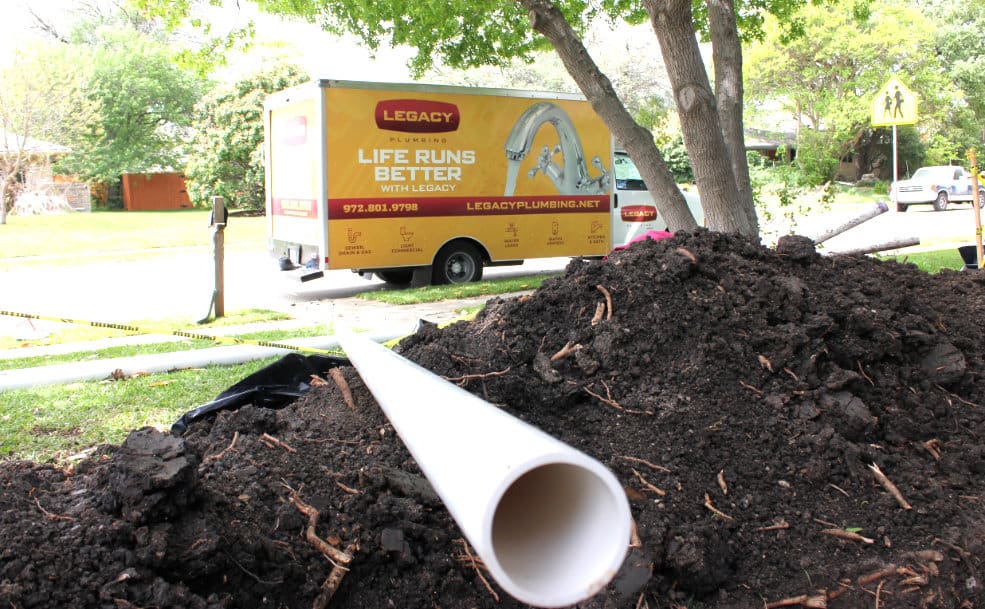
- Tunneling under the slab: Instead of cutting through the slab, a tunnel is dug through the dirt beneath the foundation from the outside of the home, allowing the plumber to reach the leak without disrupting the interior of the house.
- Rerouting the line: If the damaged pipe is beyond repair, the leaking line is abandoned, and a new line is run through the walls or attic, bypassing the damaged section. This method is less invasive and minimizes disruption to your home.
- Pass-through: In some cases, a new line can be run through the existing copper pipe, using the old line as a sleeve. This technique is effective when the damaged section of the line is relatively short, but shrinks the diameter of the pipe.
The right repair method depends on the severity of the leak, the condition of the plumbing system, and the structure of the home.
How To Prevent Slab Leaks
Slab leaks can’t always be avoided, but there are steps homeowners can take to reduce the risk of developing them:
- Monitor water pressure: High water pressure puts stress on your pipes and can lead to leaks. Install a pressure regulator if needed.
- Schedule regular plumbing inspections: Routine inspections can catch small issues before they become major problems.
- Soften hard water: Hard water accelerates corrosion, so installing a water softener can protect your pipes.
- Address foundation shifts: If you notice changes in your home’s foundation, consult a professional to stabilize the soil and reduce pressure on your plumbing.
- Upgrade older pipes: Replacing outdated or corroded pipes can prevent leaks in the future.
Call Legacy Plumbing for Expert Repairs
If you suspect you may have a slab leak in your home, call the team at Legacy Plumbing for assistance. Our experienced team serves homeowners in North Dallas with expert slab leak detection and repair services. We offer upfront pricing and use advanced techniques to minimize disruption while protecting the integrity of your home’s foundation.
Contact us today for slab leak detection and repairs in the Dallas area.