



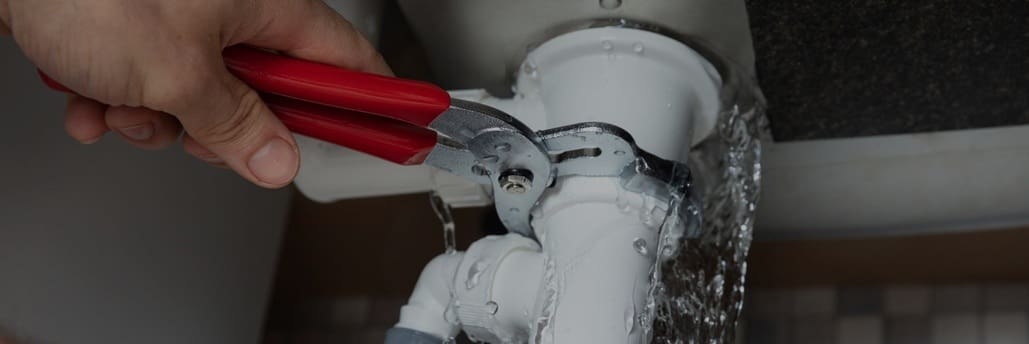



A higher-than-usual water bill can catch you off guard, especially if your daily routine hasn’t changed. In the Dallas area, hidden plumbing leaks are a common cause of unexplained water bill increases. From shifting North Texas soil to aging pipes in established neighborhoods, small issues can quietly waste thousands of gallons. If you suspect you may have a hidden leak on your hands, there’s one place you can go to check whether water is escaping somewhere in your home: your water meter.
Common Warning Signs of Hidden Water Leaks
Hidden water leaks can be sneaky, but paying attention to subtle changes can help you catch a problem early. Be on the lookout for these signs:
- Unexpected spike in your water bill: A sudden increase without added water use is often one of the first hidden water leak signs.
- Running water sounds when fixtures are off: Hearing water move through pipes when nothing is turned on may indicate a leak behind walls or under the slab.
- Soft spots or damp areas in flooring: Moisture beneath tile, carpet, or hardwood can point to a hidden pipe issue.
- Mold or musty odors: Lingering smells sometimes signal moisture buildup inside walls or cabinets.
If you notice one or more of these issues, performing a water meter leak test is a smart next step.
How To Check Your Water Meter for Leaks
Checking your water meter for leaks is simple and only takes a few minutes. Here’s how:
Step 1: Find & Check the Leak Indicator
Most residential meters in the Dallas area are located near the curb in a ground box between the sidewalk and the street. After carefully lifting the lid, look for a small leak indicator (often a triangle, pinwheel, or digital flow display). If the indicator is moving, water is flowing through the system.
Step 2: Perform a Water Meter Shut-Off Test
Turn off all water sources in your home, including faucets, washing machines, dishwashers, and irrigation systems, and wait 15–30 minutes without using any water. Then return to the meter and check the reading again. If the number has changed or the leak indicator continues to move, you likely have a water leak.
Step 3: Interpret What the Movement Means
Slow, subtle movement often points to minor leaks such as a running toilet. Faster movement may indicate a more significant issue, such as a broken pipe or underground leak. Either way, you’ll need to look into it further.
Why Dallas Homes Are Vulnerable to Hidden Leaks
Homes in North Texas face unique plumbing challenges. The area’s expansive clay soil can shift during dry summers and heavy rains, placing stress on underground pipes. Hard water in the Dallas area can also contribute to mineral buildup inside plumbing lines over time. Older homes may also have aging pipes that are more prone to small fractures or corrosion. These issues make regular monitoring even more important for local homeowners.
When To Call a Professional Plumber
If your water meter leak test confirms water movement when everything is shut off, it’s time to bring in a professional. Slab leaks, underground irrigation line breaks, and hidden pipe failures require specialized equipment to locate and repair properly. Ignoring the issue can lead to structural damage, mold growth, and higher utility bills. A licensed plumber can perform advanced leak detection, pinpoint the source, and recommend the right repair before the problem escalates.
Find & Fix Leaks Fast With Legacy Plumbing
At Legacy Plumbing, we understand the plumbing systems common throughout the Dallas area and how North Texas conditions affect them. Our licensed and background-checked plumbers use proven methods to locate hidden leaks accurately and recommend practical plumbing solutions. With upfront communication and a commitment to doing what’s right for your home, we focus on long-term reliability, not quick fixes. If you suspect a hidden leak or want help interpreting your water meter readings, our team is ready to help!
Contact Legacy Plumbing today to schedule leak detection services in North Texas.





 Your Privacy Choices